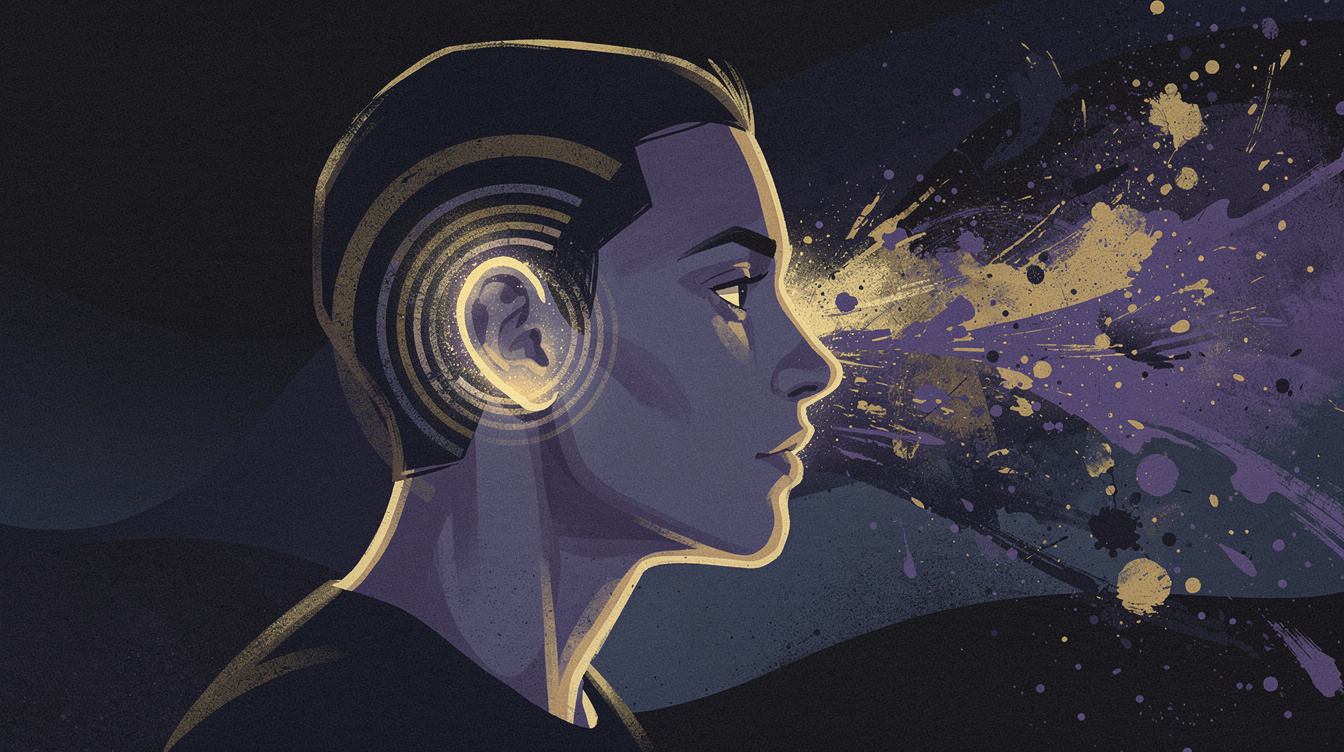
Fundamentals · Lesson 24: Ear Training and Analysis — Where Theory Becomes Instinct
The finale. Theory you can recite is trivia; theory you can *hear* is power. Lesson 24 of Fundamentals — and the whole course — is about training your ear and learning from the music you love, so all of this becomes instinct.

Fundamentals · Lesson 23: Reharmonization — New Chords Under the Same Melody
Keep the melody, change everything underneath it. Lesson 23 of Fundamentals covers reharmonization — the advanced art of putting fresh chords under an existing tune to transform its entire mood.

Fundamentals · Lesson 22: Advanced Melody — Tension Notes and Memorable Lines
Fitting the chords gets you a safe melody. The notes that *don't* quite fit — used right — get you a memorable one. Lesson 22 of Fundamentals covers tension notes, motif development, and the craft behind unforgettable melodies.

Fundamentals · Lesson 21: Bass Lines and the Art of Counterpoint
The bass is the bridge between rhythm and harmony, and a great bass line is half the song. Lesson 21 of Fundamentals covers how to write basslines that move — plus counterpoint, the art of two melodies that work together.
Fundamentals · Lesson 20: Advanced Rhythm — Odd Meters, Polyrhythm, and Feel
Most music sits in a comfortable 4/4 — but the rhythmic tricks beyond it are where groove gets interesting. Lesson 20 of Fundamentals explores time signatures, polyrhythm, and the micro-timing that makes a beat feel alive.

Fundamentals · Lesson 19: Secondary Dominants
There's a trick that makes any chord in your progression feel like its own mini-destination, adding momentum and a touch of class. Lesson 19 of Fundamentals demystifies secondary dominants — simpler than the scary name suggests.

Fundamentals · Lesson 18: Borrowed Chords and Modal Interchange
The most emotional chords in pop don't even belong to the key — they're borrowed. Lesson 18 of Fundamentals goes deep on modal interchange: how stealing chords from a parallel key creates color you can't get any other way.
Fundamentals · Lesson 17: Cadences — The Punctuation of Music
Sentences have periods, commas, and cliffhangers. So do musical phrases — they're called cadences. Lesson 17 of Fundamentals covers the handful of ways a progression comes to rest, and how to use them to control resolution.

Fundamentals · Lesson 16: How Chords Function (Home, Away, Tension)
Why does one chord feel like 'home' and another feel like it desperately wants to move? Lesson 16 of Fundamentals reveals harmonic function — the hidden grammar that explains why progressions work.

Fundamentals · Lesson 15: The Minor Keys (Natural, Harmonic, Melodic)
Most modern music lives in minor — but minor is secretly three scales, not one. Lesson 15 of Fundamentals untangles natural, harmonic, and melodic minor, and why the difference is the source of so much dramatic tension.

Fundamentals · Lesson 14: Inversions and Voice Leading
The same chords can sound clumsy or buttery-smooth depending on one thing: how you move between them. Lesson 14 of Fundamentals covers inversions and voice leading — the secret behind chord progressions that flow.

Fundamentals · Lesson 13: Seventh Chords and Extensions
Triads are primary colors; extensions are the full palette. Volume 3 of Fundamentals begins with the chords that add richness and sophistication — 7ths, 9ths, and beyond — the sound of jazz, neo-soul, and lush modern pop.

Fundamentals · Lesson 12: Theory at the Keyboard — Making It All Automatic
The finale. Theory you can recite is trivia; theory in your fingers is power. Lesson 12 of Fundamentals is how to turn everything you've learned into instinct — at the keys, in the piano roll, in real projects.
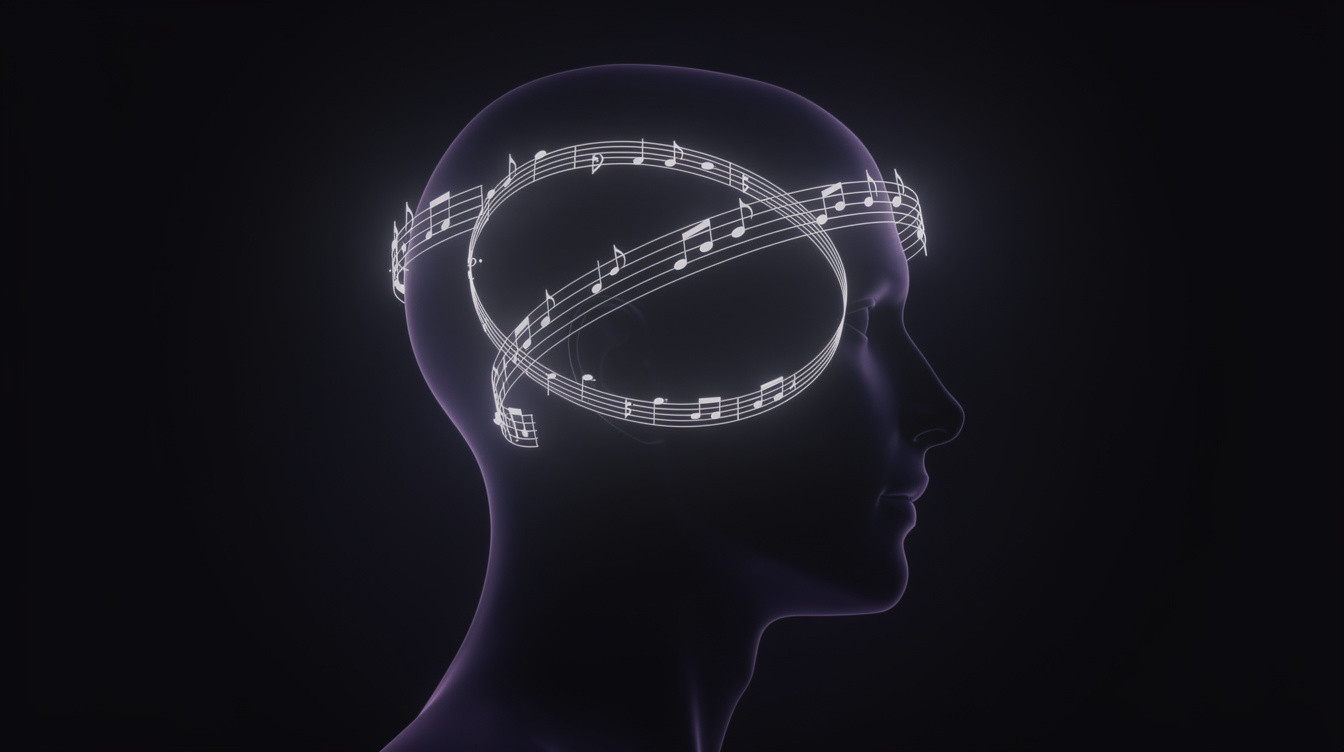
The Science of Earworms: Why Songs Get Stuck in Your Head (and How to Evict Them)
That song looping in your brain right now isn't random. Researchers studied 3,000 people's earworms and found the exact melodic ingredients that make a tune sticky — plus a genuinely tested trick to make it stop.

Why Some Melodies Feel Universal (Across Every Culture on Earth)
A baby in any country, a culture that never met another — and yet certain musical things show up everywhere. A fascinating look at what's truly universal in music, what's learned, and why it matters for what you make.

Fundamentals · Lesson 11: Tension, Release, and Color — The Spice in a Progression
Diatonic chords are correct but can sound plain. Lesson 11 of Fundamentals covers the tricks that make a progression *memorable* — borrowed chords, surprise turns, and the art of leaving home on purpose.
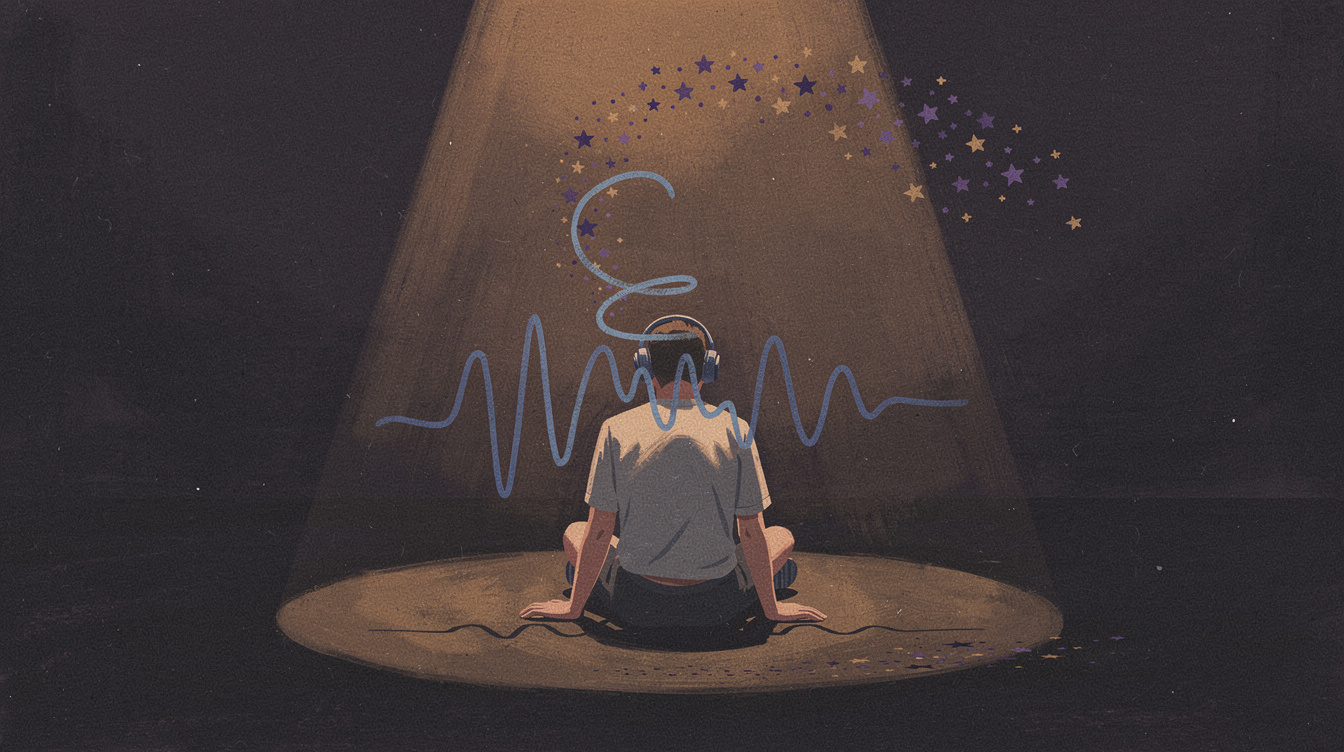
Why Sad Songs Feel So Good: The Science of Beautiful Melancholy
It's a paradox: we seek out music that makes us cry, and we love it. The science of why sad songs feel good — frisson, dopamine, the consoling hormone — and what it means for the music you make.

Fundamentals · Lesson 10: Song Structure — The Skeleton Under Every Track
Why does almost every song have a verse, a chorus, and that one part that's different? Lesson 10 of Fundamentals maps the architecture of a track — the sections, why they exist, and how arrangement creates energy.

Fundamentals · Lesson 9: Modes — Seven Flavors of the Same Scale
Modes sound like the scariest word in music theory. They're actually the simplest idea you already know, shifted: start the same notes on a different home, get a whole new mood. Vol. 2 of Fundamentals begins.
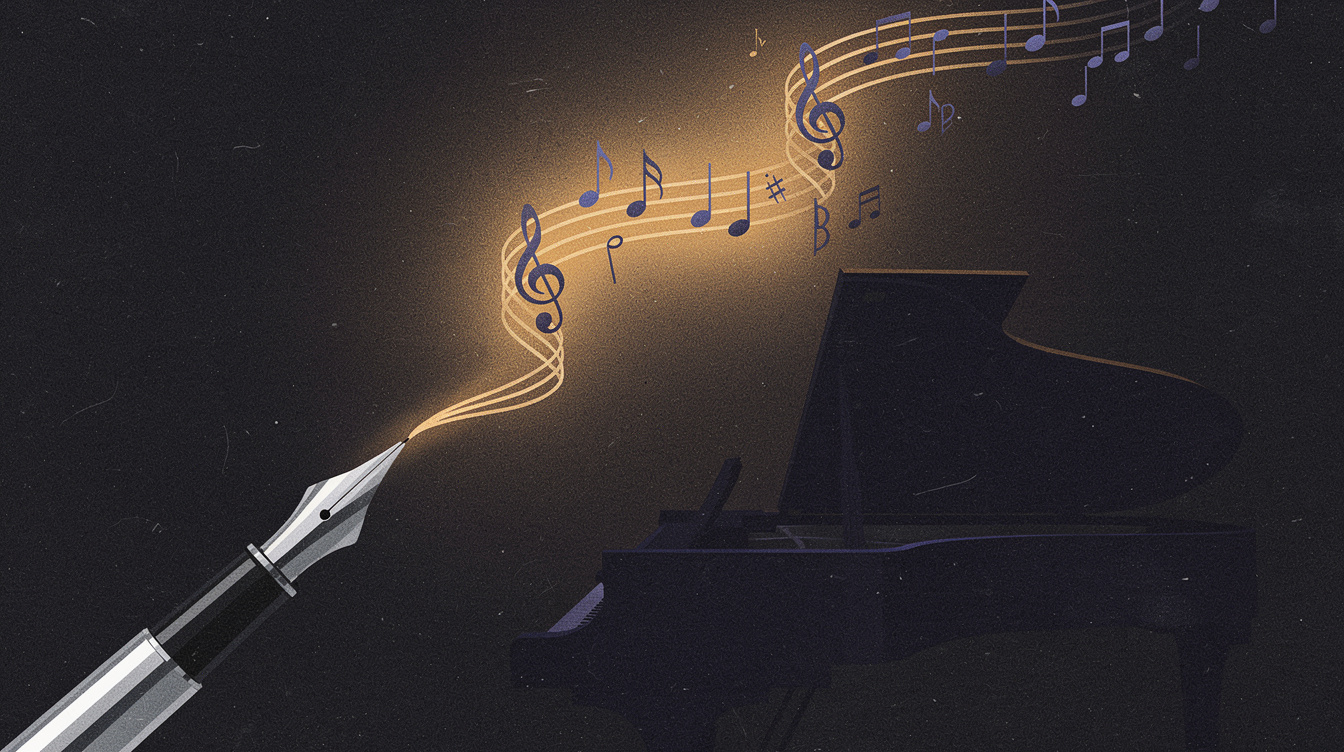
Fundamentals · Lesson 8: Melody, and Putting It All Together
The finale. Melody is the part people hum — and now that you know notes, scales, and chords, you have everything you need to write one. Lesson 8 of Fundamentals brings the whole course home.

How to Figure Out What Key a Song Is In
The key of a song is just the note it treats as home. Here's how to find it by ear and by checking the chords — a practical step-by-step any producer can follow.

Fundamentals · Lesson 7: The Circle of Fifths — The One Map That Ties It Together
The circle of fifths looks like an intimidating clock, but it's really a cheat sheet that answers 'which notes and chords go together' at a glance. Lesson 7 of Fundamentals makes it finally click.

Fundamentals · Lesson 6: Chord Progressions — Why Four Chords Run the World
One chord is a snapshot; a progression is the story. Lesson 6 of Fundamentals teaches how chords move, the number system pros use, and the four-chord loop behind a startling share of hit songs.
Fundamentals · Lesson 5: Chords — Stacking Notes Into Feelings
A chord is just a few notes played together — but which notes decides whether it sounds happy, sad, tense, or dreamy. Lesson 5 of Fundamentals builds chords from the ground up using the intervals you just learned.
Fundamentals · Lesson 4: Intervals — The Distance Between Two Notes
Every melody, chord, and bassline is really just intervals — the gaps between notes. Lesson 4 of Fundamentals teaches the handful of distances that define every sound you'll ever build, and how to recognize them by ear.

Fundamentals · Lesson 3: Scales and Keys — Picking the Notes That Sound Good Together
Of the 12 notes, which ones actually belong in your song? That's what a scale answers. Lesson 3 of Fundamentals teaches the major scale, minor scale, and what a 'key' really means — no memorization.

Fundamentals · Lesson 2: Rhythm, Beat, and the Grid
Notes are only half of music — the other half is when they happen. Lesson 2 of Fundamentals breaks down beat, tempo, bars, and note divisions using the one thing every producer already stares at: the grid.

Fundamentals · Lesson 1: What Music Is Actually Made Of
Before chords or scales, there's something simpler: sound itself, and the handful of notes everything is built from. Lesson 1 of Fundamentals — music theory from zero, for people who make music, not music students.

Do Musical Keys Have Personalities? The Strange History of Key Color
Composers have insisted for centuries that D major is 'triumphant' and E-flat is 'heroic.' Is there anything to it, or is it all in our heads? A fun dive into key characteristics, synesthesia, and why it might not matter the way you think.

The 120 BPM 'Conspiracy': Why So Much Music Sounds the Same Speed
Pull up the tempo of song after song and a number keeps appearing: 120 BPM. It's not a conspiracy — it's biology, history, and the dance floor. A fun dive into music's favorite tempo, and why you might break from it.

Scales and Modes Explained (Without the Jargon)
A scale is just seven notes that sound good together. Modes are seven moods you can spin out of the same notes. Here's the whole thing in plain English, with the one note that gives each mode its character.

Ear Training Games That Don't Feel Like Homework: Play Your Way to Better Production
Tired of boring ear training? Onomo's Arcade turns music theory into addictive games with XP and quotas. Improve rhythm, pitch, and production skills without the drudgery.
The Circle of Fifths, Finally Explained Simply
The circle of fifths looks like a clock covered in music theory. It's actually a cheat sheet: it shows you a key's chords, its closest neighbors, and which keys it's easy to move between. Here's how to read it.
Free Chord Finder: The Chords That Go Together in Any Key
Every key has exactly seven chords that belong to it, and they follow the same pattern in all twelve keys. Learn the pattern once and you'll know what chords go together — forever.