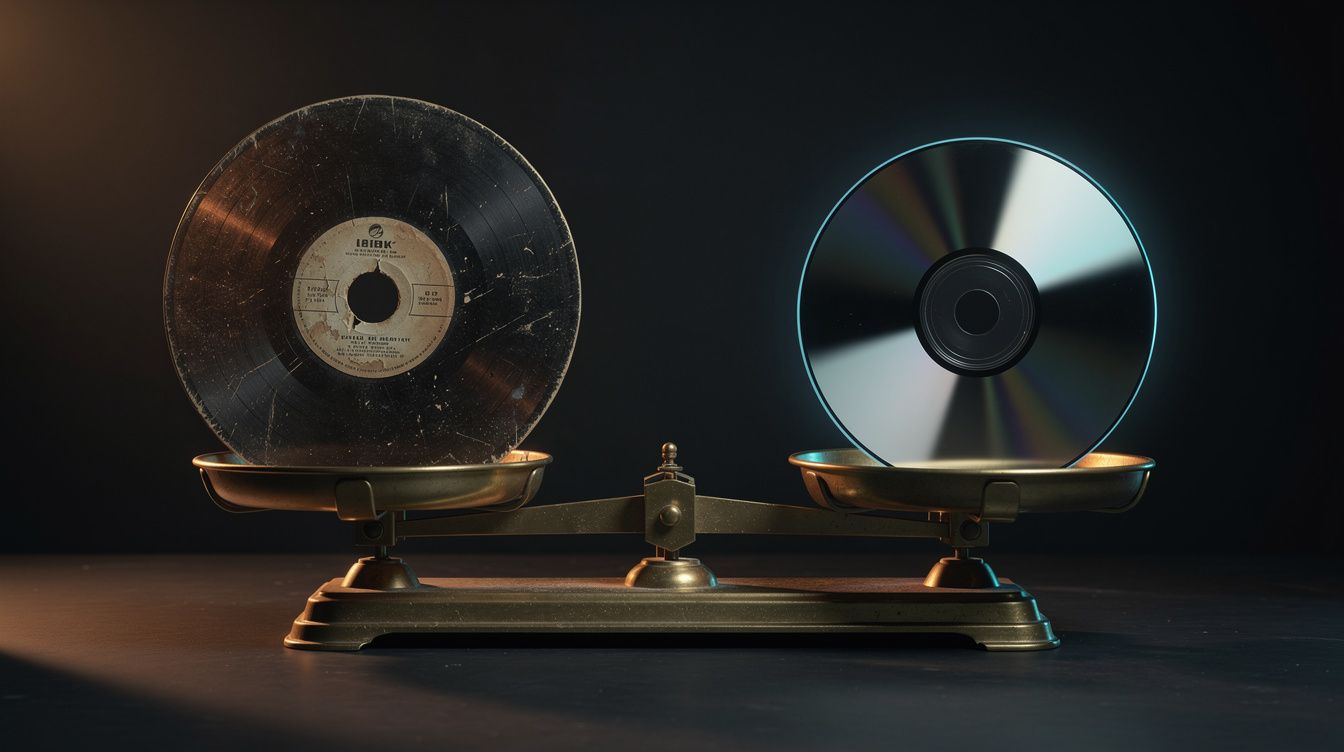
A few years ago, a genuinely depressing statistic went viral among musicians: old songs made up about 70% of the U.S. music market, and the market for new music was actually shrinking. The narrative was bleak: catalog was eating the present, nostalgia was winning, and new artists were fighting over a thinning slice. Then something interesting happened. The data flipped. This is the surprising tug-of-war between music's past and present, and what it actually means if you're making music right now.
The grim chapter: "old music is killing new music"
The alarming version was real at the time. Around 2022, old songs represented roughly 70% of the U.S. music market, and the new-music market was shrinking. Critics argued streaming had turned us into a culture of comfort-listening — endlessly replaying the classics we already knew instead of discovering anything new. With infinite access to everything ever recorded, why risk a new song when you could replay a guaranteed favorite?
It was a legitimately worrying trend for anyone trying to break in. If the deck is stacked toward catalog, a brand-new release is fighting not just other new songs but the entire recorded history of music.
The plot twist: new music came roaring back
But music data is never static, and the story reversed. According to more recent Luminate figures, 79.5% of U.S. on-demand audio streams now come from songs released in 2010 or later — and nearly one in two streams are of tracks released since 2020. Newer music has been pushing the old guard back out of the spotlight.
So which is true — is old music winning or losing? Both, depending on when you measured and how you define "old." The honest answer is that it's a genuine, ongoing tug-of-war, and the pendulum swings.
Why the pendulum swung back
A few forces revived new music's share (per the data):
- Algorithms favor fresh releases. Streaming platforms push new music hard — Release Radar, new-music playlists, "fresh finds" — giving current songs structural advantages in discovery.
- TikTok runs on the new. Trends and viral sounds overwhelmingly favor recent (or newly-rediscovered) tracks. A song's path to a billion streams now often starts with a short-form moment, which favors current music.
- The constant churn. With 120,000 songs uploaded daily, there's simply an enormous, ever-refreshing supply of new music competing for ears.
What this means for you
Here's the genuinely encouraging read for a new artist:
1. The door is open. The "old music is killing new music" doom narrative is outdated. New music commands the majority of listening now — the system is not permanently rigged against current artists. There is real appetite for the new.
2. But "new" has a short shelf life — which is why catalog matters. Here's the nuance that ties it together. Today's new music becomes tomorrow's catalog. The data also shows that roughly half of all streaming is "catalog" (18+ months old) — so a song's life is long. Your new release gets a discovery boost now and keeps earning as catalog for years. That's the best of both worlds: a fresh-release advantage that matures into a lasting asset.
The real takeaway
Don't let any single scary headline — in either direction — dictate how you feel about your odds. The old-vs-new balance shifts constantly, and both have a place. What's permanently true is simpler and more empowering: there is real demand for new music, and every song you release is both a fresh shot at discovery and a permanent catalog asset.
The market isn't a wall. It's a door that keeps swinging, and right now, it's swinging toward the new. Make something and walk through it.
Ready to try it yourself?
Onomo is a full DAW in your browser — synths, drums, effects, and export. Free to start, nothing to install.
Add new music to the world in the Studio