Nobody warns you about this when you fall in love with making music: it can quietly become one of the hardest things you do for your head. Not the music itself, the being an artist part. The posting, the comparing, the waiting to see if anyone cares, the slow realization that you've started measuring your own worth in a number on a screen.
If that's where you are, read this slowly. You are not weak, you are not failing, and you are very, very far from alone.
You're not imagining how hard this is
It helps to know the scale of it, because the loneliness of it lies to you. When researchers have actually asked, the numbers are stark. A 2019 study of independent musicians found that 73% had struggled with stress, anxiety, or depression in connection with their music. An earlier industry study found around half of musicians reporting symptoms of depression — roughly double the rate of the general adult population — with a far higher rate of suicidal thoughts than average.
Read that again: this is not a you problem. This is a the way this works problem, happening to most of the people doing it. The conditions of being an independent artist today — financial precarity, isolation, and above all the relentless pressure of social media — are genuinely hard on the human mind. You're having a normal reaction to an abnormal amount of pressure.
The traps, named out loud
Half the power these things have over you is that they operate in the dark. So let's turn the light on.
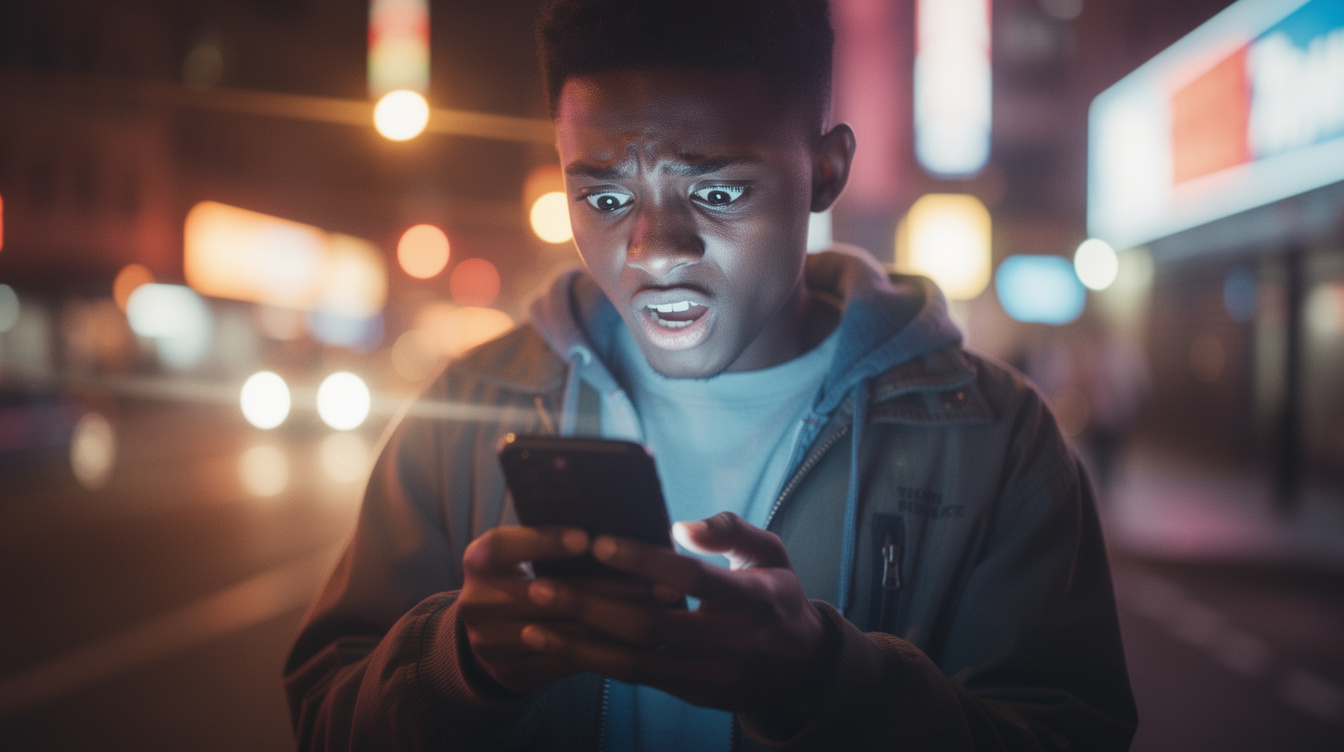
Tying your worth to the numbers. You release a song you poured months into. It gets 40 plays. And something in your chest drops, because somewhere along the way "this song did badly" quietly became "I am not good enough." That's the trap: streams and likes measure an algorithm's mood on a Tuesday. They do not measure your worth as a person or even the quality of your art. But the brain doesn't know that, and the apps are built to make you forget it.
The comparison spiral. You open the app to post your thing, and instead you scroll, and within ninety seconds you're watching someone your age with a co-sign and a viral clip, and your own journey suddenly looks small and slow and embarrassing. Here's what you're actually doing: comparing your behind-the-scenes — the doubt, the unfinished projects, the grind — to everyone else's highlight reel. It's a rigged comparison. Nobody posts the 40-play song. Everybody's feed is their best day, and you're measuring your whole self against a thousand strangers' best days at once.
Impostor syndrome. Comparison feeds the voice that says you don't really belong here, that you're faking it, that any success was luck and you're about to be found out — even when you're doing the best work of your life. Almost every artist you admire has that voice too. It is not a status report on your talent. It's just a feeling, and feelings are not facts.
The validation cycle. Chasing the little hit of a like, a comment, a save — it's easy to get hooked, because it's literally designed to hook you. The problem isn't enjoying support. It's needing it to feel okay, so that a quiet week leaves you empty and a quiet month leaves you questioning everything.
Things that genuinely help
None of this is a cure, and none of it replaces real support if you need it (more on that below). But these are real, doable things that protect your head.
Put distance between you and the feed. You do not have to be plugged in 24/7. If a particular account reliably makes you feel small, mute it — protecting your peace matters more than staying maximally informed. Take the app off your phone for a weekend. Post your work, then close it instead of refreshing for two hours. The feed will survive without your attention; your mind might not survive giving it all of yours.
Separate the art from the marketing of the art. The making is the part that feeds you. The promoting is a job. When they fuse — when every creative act is also a content decision — the joy drains out. Protect time where you make music purely because you love it, with no plan to post it. That's not wasted time. That's the reason you started.
Find your people. Isolation makes every struggle heavier. Strong relationships are one of the most protective things there is for mental health — honest conversations with people who actually see you measurably reduce stress and protect against depression. Find even one other artist you can be real with about the hard parts. The struggles you're carrying silently are the same ones they are. Saying them out loud shrinks them.
Detach your identity from your output. You are a whole person who makes music. You are not your stream count, not your follower number, not your last release. On the days the music is going badly, you are still exactly as worthy as on the days it's going well. Build a life with things in it besides music — people, movement, rest, other joys — so that your entire sense of self isn't riding on one volatile thing.
When it's more than a rough patch — please reach out
This part matters, so it's plain: sometimes what you're carrying is bigger than a mindset shift can fix, and that is nothing to be ashamed of. Persistent depression and anxiety are real medical things, not failures of grit, and willpower is the wrong tool for them — the way a broken bone isn't something you "push through."
If the heaviness has settled in and stopped lifting, if it's reaching past music into the rest of your life, if you're having thoughts of hurting yourself — talk to someone. A doctor, a therapist, a crisis line, a person you trust. There are services built specifically for people in music, like Music Minds Matter and the wellness programs some industry organizations now run, and there are crisis lines staffed every hour of every day. Reaching out is not weakness and it is not the end of your art. It's how you make sure you're still here to make it.
If you're in immediate crisis, contact your local emergency number or a suicide and crisis line right now — in the US, you can call or text 988. You deserve support, today.
You started this for a reason
Underneath the metrics and the comparison and the noise, there's the thing that started all of this: you love music. You make it because it moves something in you that nothing else touches. That part of you is real, and it was here before the numbers and it'll be here after them.
Protect that part. Be as kind to yourself as you'd be to a friend who came to you scared and tired and convinced they weren't good enough. You'd tell them the truth: that they're talented, that the feeling is lying, that they're not alone, and that it's going to be okay.
It's okay to need to hear that yourself.
FAQ
Is it normal for making music to affect my mental health this much? Yes — distressingly normal. Across multiple studies, the majority of independent musicians report struggling with stress, anxiety, or depression tied to their work. The pressures are real and they're hitting almost everyone. You're not uniquely fragile.
How do I stop tying my self-worth to streams and likes? Start by noticing when you're doing it, and consciously shift focus to real connection — the individual people your music reaches — instead of the aggregate number. Build distance from the apps, and build a sense of identity that includes things beyond your music. It's a practice, not a switch.
Everyone else seems to be doing fine. Why am I struggling? They're not fine — they're just not posting the struggle. You're comparing your insides to their highlight reel. The doubt you feel is the standard, hidden experience behind almost every confident-looking feed.
When should I talk to a professional? If low feelings are persistent rather than passing, if they're affecting your sleep, relationships, or daily life, or if you're having thoughts of self-harm — reach out now. You don't need to hit some threshold of "bad enough" to deserve support. If you're in crisis, contact a crisis line (in the US, call or text 988) or your local emergency services immediately.
You're not alone in this, and you don't have to white-knuckle it by yourself. There's more from Artist Life when you're ready — and real help out there whenever you need it.
Ready to try it yourself?
Onomo is a full DAW in your browser — synths, drums, effects, and export. Free to start, nothing to install.
More from Artist Life