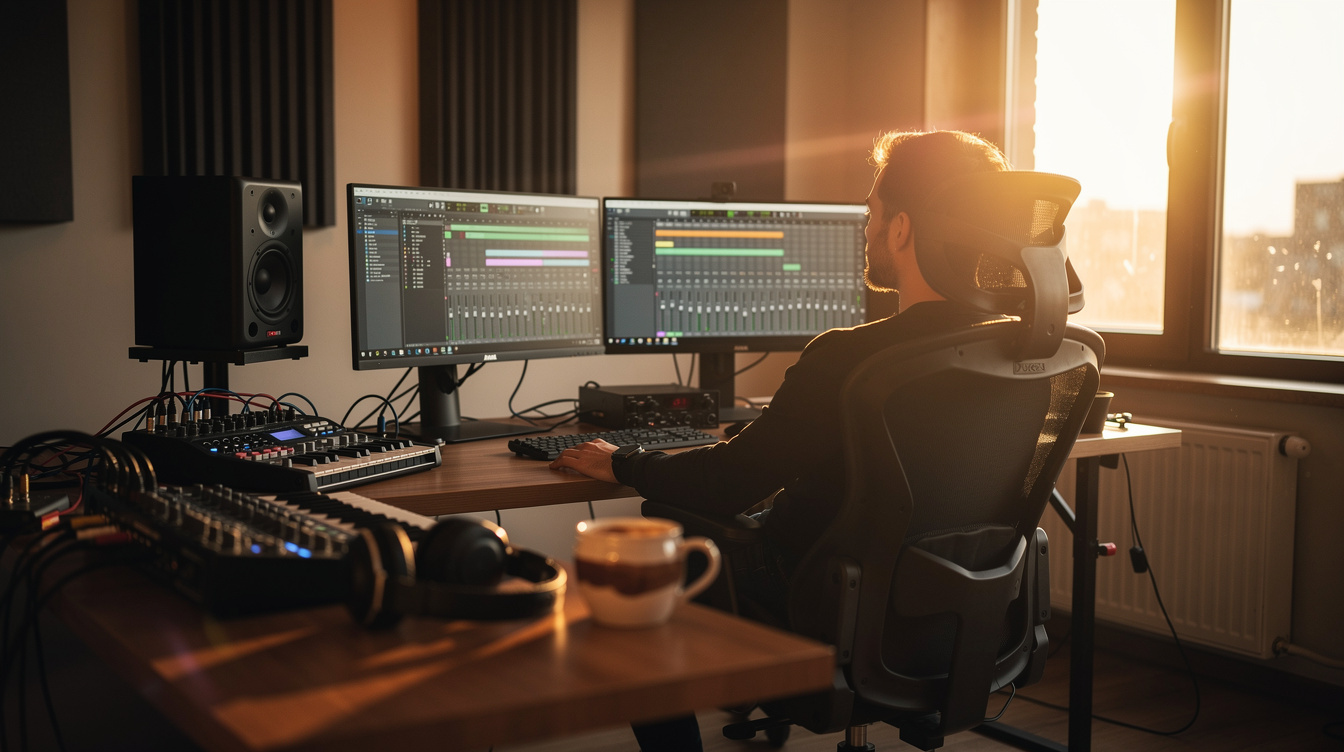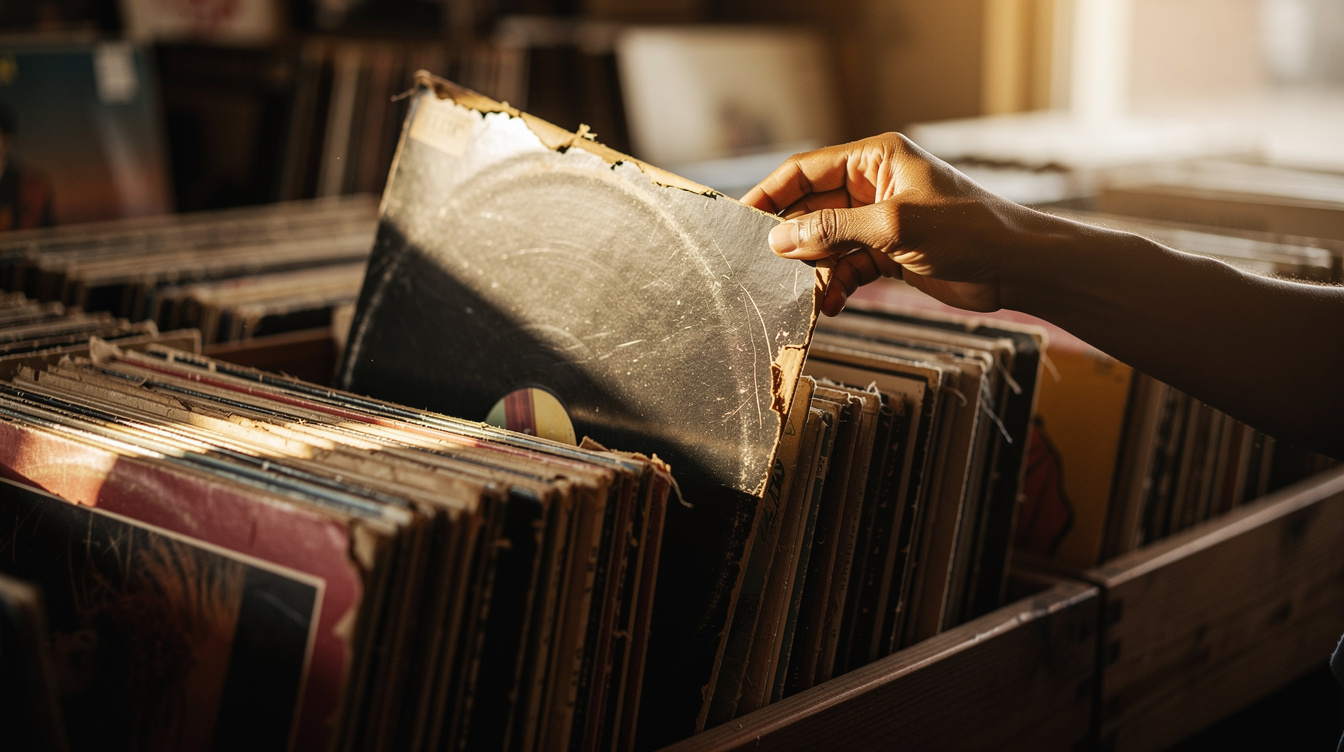
Sampling — taking a piece of existing audio and building new music from it — is one of the most important techniques in modern production. It created hip-hop, and it runs through electronic music, pop, lo-fi, and beyond. But it's also the technique most likely to get a beginner's track taken down or sued. This lesson covers both halves: how to flip a sample into something fresh, and how to do it without legal landmines.
What sampling actually is
A sample is a snippet of recorded audio reused in a new song — a drum break, a vocal phrase, four bars of an old soul record, a single chord stab. Flipping is transforming that sample so it becomes the foundation of something new: chopping it up, rearranging the pieces, pitching it, stretching it, layering it.
The art isn't just grabbing sound — it's transforming it. A great flip takes something recognizable and turns it into something that feels original. Producers are expected to manipulate and recombine samples into building blocks for new music, not lift finished pieces wholesale (on flipping).
The core flipping techniques
Most of sampling comes down to a handful of moves you can do in any DAW:
- Chopping — slicing a sample into pieces (often onto a pad grid or across a keyboard) so you can replay the parts in a new order and rhythm. This is the heart of beat-making — the same four-bar loop becomes a hundred different beats depending on how you chop and re-trigger it.
- Pitching — shifting a sample up or down. Pitch a vocal up for the "chipmunk soul" sound, or down for a dark, woozy vibe. Pitching also changes the key, so it's how you fit a sample to your track.
- Time-stretching — changing the tempo of a sample without changing its pitch, so a sample recorded at 90 BPM fits your 140 BPM beat.
- Filtering & layering — EQ out everything but a sample's bassline, or layer a sample under your own drums so it adds texture without dominating.
Stack these and a four-second clip becomes the DNA of a full song. (Our Loop Lab sample-chopping guide walks through the hands-on version.)
The legal reality (read this part twice)
This is where producers get burned. Sampling a copyrighted recording without permission is illegal — even if you chopped it beyond recognition, even if it's "only two seconds," even if you're not making money. There are two copyrights in any song: the composition (the notes/lyrics) and the master recording (that specific recording). Sampling can infringe both.
If you use an uncleared sample and the track gains traction, the consequences are real: your song can be removed from every platform, the rights holders can claim your royalties retroactively, and in serious cases they can sue. "It was just a small sample" is not a defense that holds up.
Clearing a sample means getting permission from both rights holders — often expensive and slow, which is why most uncleared flips simply never get officially released.
The modern solution: royalty-free samples
There's a fix that makes all of this a non-issue for most producers: royalty-free sample libraries. Services like Splice, Loopmasters, and others sell (or subscription-license) samples that come pre-cleared. When you use them, you owe nothing beyond your subscription — even if your song goes viral.
To be precise about what "royalty-free" means: every sample on Splice is 100% royalty-free — free to use commercially, and you don't owe Splice or anyone else anything more than your subscription, even on a hit. Some services even let you generate a certified license PDF proving your right to use a sound, which is useful if a distributor or sync deal ever asks.
What you actually need to remember
| Idea | The one-line version |
|---|---|
| Sampling | Reusing recorded audio as the basis of new music. |
| Flipping | Chop, pitch, stretch, layer — transform it into something fresh. |
| Two copyrights | A recording has both a composition and a master; sampling can hit both. |
| Uncleared = risk | Even tiny, transformed samples can get a release pulled or sued. |
| Royalty-free libraries | Pre-cleared samples = the safe, modern way to sample freely. |
Sampling is a deep, lifelong craft, but the rules are simple: transform aggressively, and source legally. Master both and you have one of the most powerful tools in modern music.
Next, we go from using sounds to making them — building and shaping your own sounds from raw waveforms, so your tracks don't sound like everyone else's presets. That's Lesson 3: Sound Design From Scratch.
Ready to try it yourself?
Onomo is a full DAW in your browser — synths, drums, effects, and export. Free to start, nothing to install.
Chop a sample in the Studio