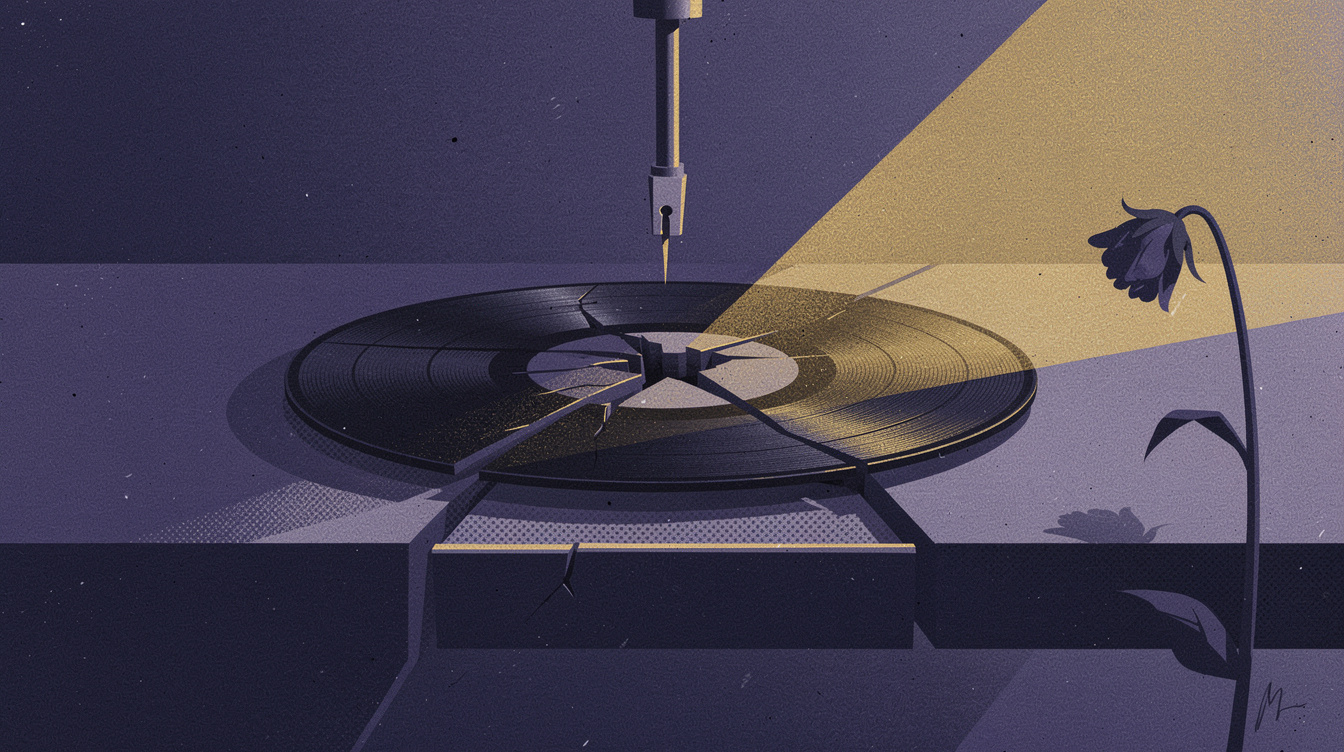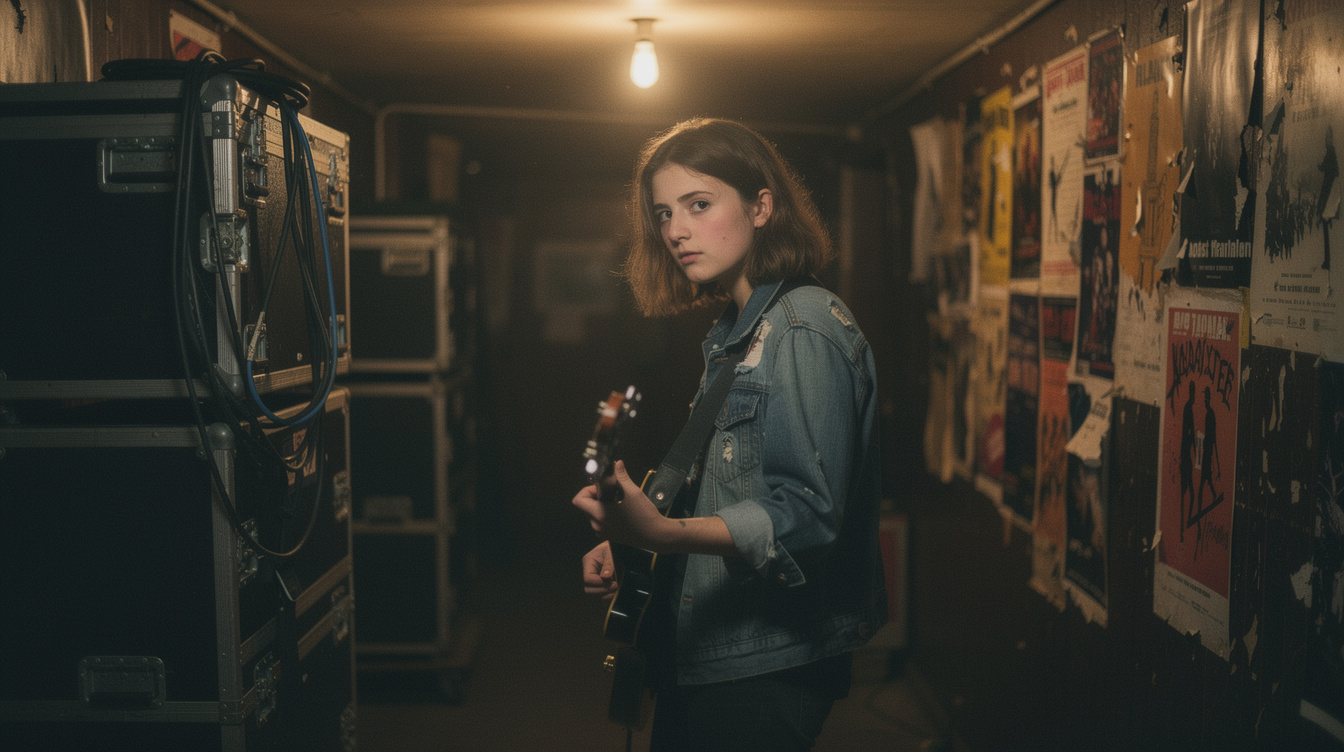
You get home at 6:30, drained. You think about opening your project — the one you haven't touched in two weeks — and instead you think about the people online who seem to do this all day, the ones who are younger than you, who got a head start, who don't have a manager breathing down their neck about a deadline that has nothing to do with music. And the quiet, deflating thought arrives: what's the point. I don't have the time. I'm too late. That window closed for me.
Let's clear something up, because it's costing you music. That window is open. It does not close at 25. Most of the independent artists you admire have, or had, day jobs — that's the normal way this works, not the embarrassing exception. And the small, tired sessions you think don't count are, over a year, how entire catalogs get made. The story in your head ("you needed to go all-in at 19 or it's over") is a myth, and it's quietly talking you out of a life you can absolutely still have.
The "too late" myth, dismantled
Let's deal with the age thing first, because it's pure fiction and it stops more people than almost anything else.
Bill Withers was in his early thirties, still working a factory job making toilet seats for airplanes, when he recorded "Ain't No Sunshine." He kept the day job after the song was a hit, because he didn't trust the music thing to last. Willie Nelson didn't crack the Billboard Hot 100 as a performer until he was around 40. Sheryl Crow was a schoolteacher before any of it. Leonard Cohen released his first album at 33. The list of "started late" and "famous later" is long, and nobody asks how old these artists were when they listen to the songs — because age is completely irrelevant to whether a piece of music is good. It always was. The "overnight success by 21" thing is a marketing story the industry tells because youth sells; it was never a rule, and it was never true for most of the people you think it was true for.
Here's the reframe that matters: you are not too late, and you are not behind — you're earlier. Music isn't a competition with a closing entry deadline. It's a thing you make. The only way to actually be "too late" is to talk yourself out of starting because you've decided the race already ended. It didn't. There's no horn. Start where you are, at the age you are, with the time you have.
Almost everyone has a day job
The fantasy is that "real" artists make music full-time and anyone with a 9-to-5 is a hobbyist who didn't make it. The reality is close to the opposite.
The overwhelming majority of independent musicians have other income. Some of the most respected artists alive kept day jobs deep into their careers — the composer Philip Glass was still working as a plumber and driving a cab in New York after his work was premiering at the Met. Tame Impala's Kevin Parker wrote some of his earliest songs while working as a law clerk, scribbling ideas on the job. Having a day job doesn't disqualify you from being a real artist. It just means you're a real artist who also pays rent — which describes a staggering number of the people whose music you love.
So drop the shame around it, because the shame is the actual problem. The day job is not a sign you failed at music. For most people, most of the time, it's simply the foundation the music stands on.
How to actually fit it in
Inspiration is nice; logistics are what get songs made. The good news is you need far less than you think — you just need it to be consistent.
Manage energy, not just time. The mistake is hunting for big blocks of free time you don't have, then doing nothing because they never appear. Forget blocks. Find your good twenty minutes — the slice of the day where your brain actually works — and protect it fiercely. For a lot of people that's not 9 p.m. after a draining day; it's twenty minutes before work, or a lunch break, or the first thing on a day off, when there's still something in the tank. A focused twenty minutes when you're sharp beats two zombie hours when you're fried. Stop measuring the clock and start tracking your energy.
Make the sessions tiny and frequent. Reframe what a "session" even is. It does not have to be a three-hour studio block. It can be: lay down one melody idea. Fix the second verse. Pick a kick. Just open the project and listen. Small, regular contact keeps the song alive in your head between sessions, which is what actually carries you: momentum, not marathon. Touch it most days, even for ten minutes, and you'll be amazed what exists in six months. The producers with day jobs who finish things aren't the ones who occasionally binge for a weekend. They're the ones who chip at it, a little, constantly.
Lower the friction to almost zero. When you've got fifteen minutes, the time it takes to find the file, boot the software, and reload your sounds can eat the whole window — and then you don't bother. So engineer the friction out in advance. Keep the project one tap from open. Set up tomorrow's session tonight (open the file, cue the part you'll work on) so that when your twenty minutes arrive, you're making music in thirty seconds instead of fighting your setup. The easier it is to start, the more often you will. (Being able to open a real studio in a browser tab on a work break, with no install and your project already there, exists partly for this reason — fewer excuses between I have a minute and I'm working.)
Capture ideas as they come, all day. The best part of having a non-music job is that your brain keeps working on music while you do other things — a melody shows up on the commute, a lyric lands in a meeting. Capture it immediately, on your phone, hummed into a voice memo, typed in a notes app. Those captured fragments become the raw material for your tiny sessions, so you sit down with something to build instead of a blank screen. Your day job, weirdly, becomes a slow-running idea generator — if you catch the ideas before they evaporate.
Play the long game (it's the only game)
Here's the mindset that ties it together and outlasts every burst of motivation: this is a marathon, and you have time.
When you stop measuring yourself against an imaginary 21-year-old who "made it overnight" and start thinking in years, everything relaxes. A song a month — entirely doable on tiny sessions around a job — is twelve songs a year. Twelve songs a year is over a hundred in a decade, each one better than the last because you kept finishing things and learning. There is no version of consistently making and releasing music for years where you don't end up dramatically better and with a real body of work. None. The only thing that actually stops people isn't lack of talent or lack of time. It's quitting — usually because they convinced themselves it was too late or too hard to fit in, and stopped before the long game could pay off.
So don't quit. You don't need to dramatically blow up your life, give your two weeks' notice, and "go all in." That's the romantic story, and for most people it's the wrong move and a recipe for panic. You need to build a sustainable music life around the one you've got — tiny consistent sessions, captured ideas, protected energy, friction stripped out, played over years. This isn't the compromise version of being an artist. For the vast majority of people who ever make music worth hearing, it's simply how it's done.
You're not too late. You're not too old. You have a job that funds your freedom and a brain that writes songs while you work. Open the project tonight — even for ten minutes. The window's open. It always was.
FAQ
Is it too late to start making music in my 30s, 40s, or older? No. Age has nothing to do with whether music is good, and plenty of beloved artists started or broke through later — Bill Withers in his thirties, Willie Nelson around 40, Leonard Cohen at 33. The "overnight success by 21" idea is a marketing story, not a rule. You're not behind; you're earlier. The only way to be truly too late is to talk yourself out of starting.
Can I really build a music career with a full-time job? Yes — and most independent artists do exactly that. The day job is the normal foundation, not a sign of failure; respected artists from Philip Glass to Tame Impala's Kevin Parker kept day jobs while making their early work. It just means treating music as a serious, consistent second pursuit rather than something that needs to pay your rent right away.
I genuinely have no time. How do I fit music in? Stop hunting for big blocks of time and find your good twenty minutes — when your energy is actually high (often before work or on a day off, not at night when you're fried). Make sessions tiny and frequent (one melody, one fix), strip out the friction so you can start in seconds, and capture ideas on your phone all day so you never face a blank screen.
Should I quit my job to focus on music? Almost never as a first move. The romantic "go all in" story panics most people and removes the financial freedom that lets you make brave, untrendy music. Build a sustainable music life around your job first. If music eventually grows to the point where it can support you, that's a decision to make later from a position of strength — with savings and real income streams in place.
How do tiny sessions actually add up to anything? Through consistency and momentum. Touching a project most days, even for ten minutes, keeps it alive in your head between sessions and quietly compounds — a song a month is twelve a year, over a hundred in a decade, each better than the last. The marathon mindset beats the sprint every time, because the only thing that truly stops people is quitting, not slow progress.
You're not too late, and the day job is a feature, not a flaw. Start something tonight — even for ten minutes. There's more from Artist Life on staying in it for the long haul.
Ready to try it yourself?
Onomo is a full DAW in your browser — synths, drums, effects, and export. Free to start, nothing to install.
Start making something