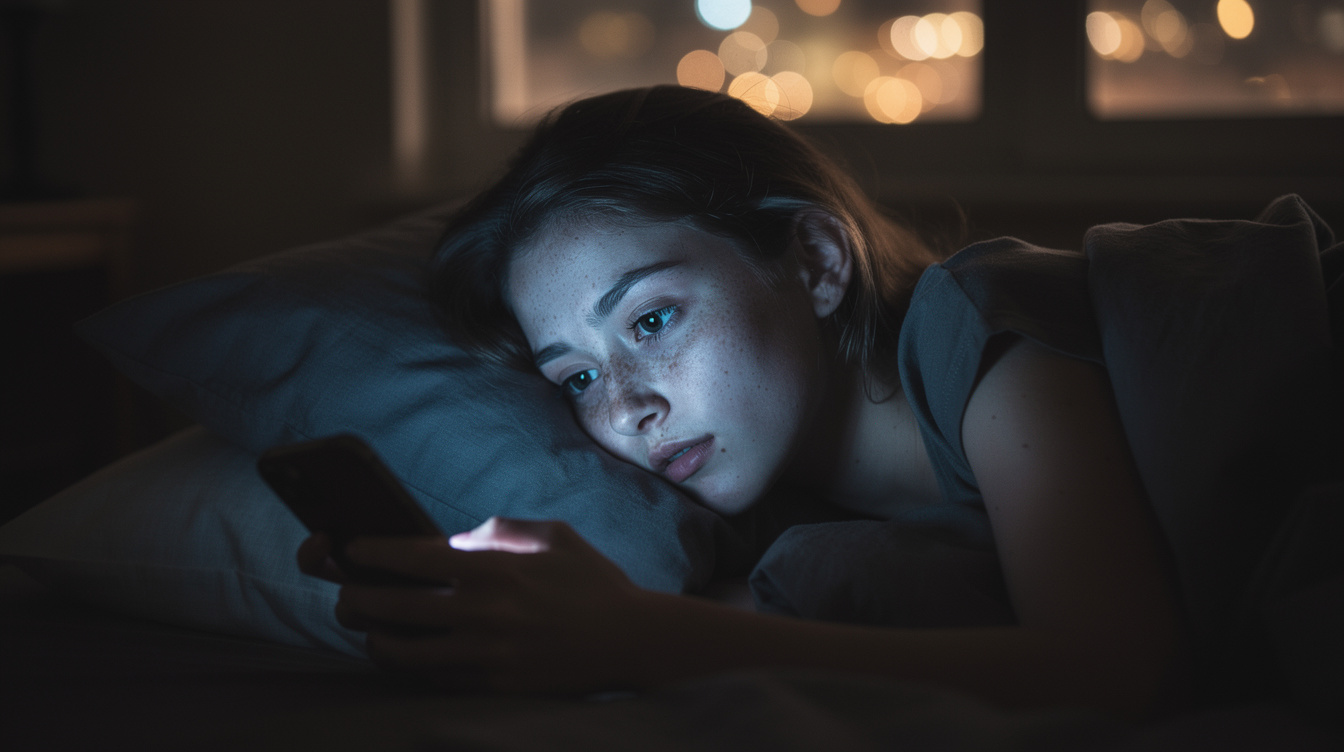
You sit down to post your new song. Instead, you start scrolling. Within two minutes you're watching another artist your age announce a milestone you haven't hit, and the song you were proud of thirty seconds ago suddenly feels small and pointless. You close the app without posting. The comparison trap just cost you a release — and a piece of your motivation.
Every artist does this. It's one of the most universal and most destructive habits in creative life — it stifles your work, drains your drive, and keeps you stuck. But it's a habit, which means it's beatable with the right tools. This is the practical version — not "just stop comparing yourself" (useless advice), but the concrete reframes and moves that actually work.
Why comparison lies to you (the part to really get)
You can't fix the habit until you see why it's rigged, so start here: you're comparing your full, messy reality to someone else's edited highlight reel.
When you see another artist online, you are not seeing the truth. You're seeing the one thing they chose to post — the win, the good angle, the milestone — and none of the hundred things behind it: the failed attempts, the doubt, the years of unglamorous work, the unfinished projects, the days they felt exactly like you feel right now. Almost no one posts the flop, the creative block, or the 2 a.m. "should I even be doing this." Everyone's feed is a trailer; you're comparing it to your own uncut footage, complete with all the bad takes.
So the comparison isn't just painful — it's false. You're measuring your behind-the-scenes against their marketing. It's a rigged game you set up against yourself, and you lose it automatically, every time, because the contest was never fair to begin with.
A second lie baked in: comparison flattens time. That artist who seems lightyears ahead has a backstory you can't see — years of work, a head start, advantages, or just a different timeline. Seeing their chapter 20 next to your chapter 3 and concluding you're "behind" is a category error. You're not behind. You're earlier. Different chapter, not a worse book.
What comparison actually costs you
This isn't just about feeling bad. Comparison actively damages the thing you need to make music:
- It shifts your focus from making to measuring. Creative energy that should go into the song goes into anxiety about how the song stacks up. You can't be playful and open while you're keeping score.
- It pushes you toward imitation. When you're fixated on what's "winning," you start chasing it — making what's already popular instead of what's yours. That kills the unique identity that's actually your only real edge.
- It causes paralysis. "Why bother, theirs is so much better" stops more songs from being finished and shared than any lack of skill. Comparison is a finishing-killer.
- It poisons the joy. You started making music because it felt good. Comparison turns a joyful act into a competitive, anxious one — and the joy is what sustains a long creative life.
The practical moves that break the habit
Knowing comparison is a lie helps, but you need actual mechanics. These work:
Set your own bar before you look at anyone else's. A huge part of the trap is judging yourself against other people's goals and metrics — their numbers, their pace, their version of success — which may have nothing to do with what you actually want. Get clear on your own definition of success first. What are you trying to make? What does winning look like for you? Once your own bar is defined, other people's bars become much less relevant, because you're no longer borrowing their measuring stick.
Have a vision that's bigger than the noise. When you're genuinely focused on a specific thing you're trying to create — a sound, a project, a body of work you believe in — the sideline comparisons quietly lose their grip, because your attention is on the work instead of the scoreboard. Aimlessness is what invites comparison; purpose crowds it out. The more locked in you are on your own thing, the less room there is to obsess over someone else's.
Curate your feed ruthlessly. This is mechanical and it works: if a specific account reliably makes you feel small, mute it. You're not obligated to consume content that poisons your motivation. Protecting your creative headspace matters more than staying maximally plugged in. You get to decide what you look at, and "things that make me feel like garbage" is allowed to not make the cut.
Use comparison as fuel, not poison — when you can. There's a healthy version. Sometimes another artist's work can inspire you ("that's amazing, I want to push myself there") or teach you (study how they did the thing you can't yet). When you envy someone's work, get curious instead of crushed: what specifically do they do that you admire? Now it's a lesson to learn from, not a verdict on your worth — envy points at what you value, so use it as a map, not a weapon. The difference between fuel and poison is the feeling it leaves: does it make you want to go make something, or does it make you want to quit? Lean into the comparisons that light a fire; mute the ones that put one out.
Remember why you started — then make the next thing anyway. You didn't start making music to beat strangers' stream counts; you started because making it felt good and you had something to express. Reconnect with that: make a track purely for the joy of it, with no plan to post it. And when the comparison spiral hits, the single best cure is creating — you cannot feel envious and absorbed in making something at the same time. Flow crowds out comparison. The act of making is itself the antidote.
Treat yourself like you'd treat a friend. You would never tell a friend "you're behind, you're not talented, that other artist is better than you, why bother." You'd remind them how far they've come and tell them to keep going. Extend yourself that same basic kindness. The cruel internal voice running the comparison isn't telling you the truth — it's just being cruel, and you don't have to believe it.
Your only real competition
The reframe that should free you: there is no one else who can make music exactly like you. Your music's value is not relative — a song that moves one person, that helped you process something, that's genuinely yours, has value regardless of what anyone else made. Art isn't a leaderboard; the existence of a bigger artist doesn't make your work worth less, any more than the existence of a taller mountain makes a hill not a hill. Your specific combination of influences, voice, story, taste, and perspective is genuinely unrepeatable. The artist you're comparing yourself to can't make your thing any more than you can make theirs. So the "race" you're losing in your head isn't even a real race — you're running on completely different tracks toward completely different destinations.
The artists who seem unbothered by comparison aren't more talented or more confident underneath. They've just made a decision: to run their own race, on their own timeline, toward their own vision, and to treat everyone else's highlight reel as exactly what it is — someone else's trailer for someone else's movie. Growth is a marathon, not a sprint, and the only runner whose pace matters is you a year ago.
So next time you open the app to post and feel the pull to scroll and shrink — post the song first. Then, if you want, compare yourself to the only person worth it: the artist you were last year. You've already beaten them. Keep going.
FAQ
Why do I keep comparing myself to other artists even though I know it's bad? Because it's a deeply human habit, and social media is engineered to trigger it — endless highlight reels on tap. Every artist does it. Knowing why it's rigged (you're seeing their edited best vs. your full reality) is the first step to loosening its grip; the practical habits do the rest.
What's the healthiest way to think about other artists' success? Remember you're seeing their highlight reel, not their whole story, and that they're at a different point on a different timeline — not "ahead" of you in some single race. When possible, let their work inspire or teach you rather than diminish you. The feeling it leaves tells you whether it's fuel or poison.
Who should I actually compare myself to? Your past self. Comparing today's work to what you made a year ago shows real, visible progress and is the only comparison that's both fair and useful. It's the one scoreboard that means something.
Should I just get off social media? You don't have to quit entirely, but curate ruthlessly — mute any account that reliably makes you feel small. Protecting your creative motivation is more important than being maximally plugged in.
How do I stop feeling "behind"? Reframe it: you're not behind, you're earlier. The artists who look lightyears ahead have backstories and timelines you can't see. Define your own version of success so you stop measuring your chapter 3 against someone else's chapter 20.
There's only one of you, running your own race. There's more from Artist Life on keeping your head in the game.
Ready to try it yourself?
Onomo is a full DAW in your browser — synths, drums, effects, and export. Free to start, nothing to install.
More from Artist Life